In the world of tabletop role-playing games (TTRPGs), crafting worlds with battle maps can make all the difference between a memorable encounter and just another dice roll. Whether you’re navigating a treacherous dungeon, bargaining with a suspicious merchant, or launching a desperate stand against an army of undead, the way you bring your players into the world matters. That’s where the power of battle maps shines.
When it comes to crafting worlds with battle maps, Dungeon Masters (DMs) have a variety of tools at their disposal. At one end of the spectrum, you have “Theatre of the Mind,” where everything is described verbally, relying solely on imagination. In the middle, there’s the classic “flat map,” a two-dimensional surface often drawn on grid paper or dry-erase mats. And at the far end, there’s “full-scale scenery,” which includes handcrafted terrain, three-dimensional props, and immersive miniatures. Each method brings its own unique flavour to the table, and understanding their value can help you choose the right tool for your game.
Crafting Worlds in Theatre of the Mind: A Canvas of Imagination
Theatre of the Mind is the oldest form of storytelling. No props, no maps — just words painting pictures. It’s quick, flexible, and ideal for fast-paced storytelling or sessions with limited preparation time. It allows for boundless creativity; after all, there’s no limit to what your players can imagine.
However, crafting worlds solely through Theatre of the Mind can sometimes lead to confusion, especially in complex combat situations where spatial relationships matter. Players might have different ideas about where enemies are positioned or how far they are from each other. That can occasionally break immersion or lead to disputes that slow the game down.
Flat Maps: Structuring Worlds with Battle Maps
Flat maps provide a visual structure without demanding huge amounts of preparation. A simple battle mat and a dry-erase marker can turn a chaotic verbal description into a clear, easily understandable layout. Suddenly, the goblins are here, the pit trap is there, and the players have a solid grasp of the situation.
Maps can be as simple or detailed as you like. You can sketch out a town square, a dungeon corridor, or an open field in minutes. Many DMs also use pre-printed maps or downloadable PDFs to add flavour without the need for artistry. Flat maps are ideal for players who appreciate tactical combat and enjoy seeing the battlefield come to life in front of them.
That said, even when crafting worlds with battle maps, flat maps can sometimes feel “clinical” if not dressed up with colour or miniatures. Without extra detail, they may lack some of the magic that a fully realised scene can bring.
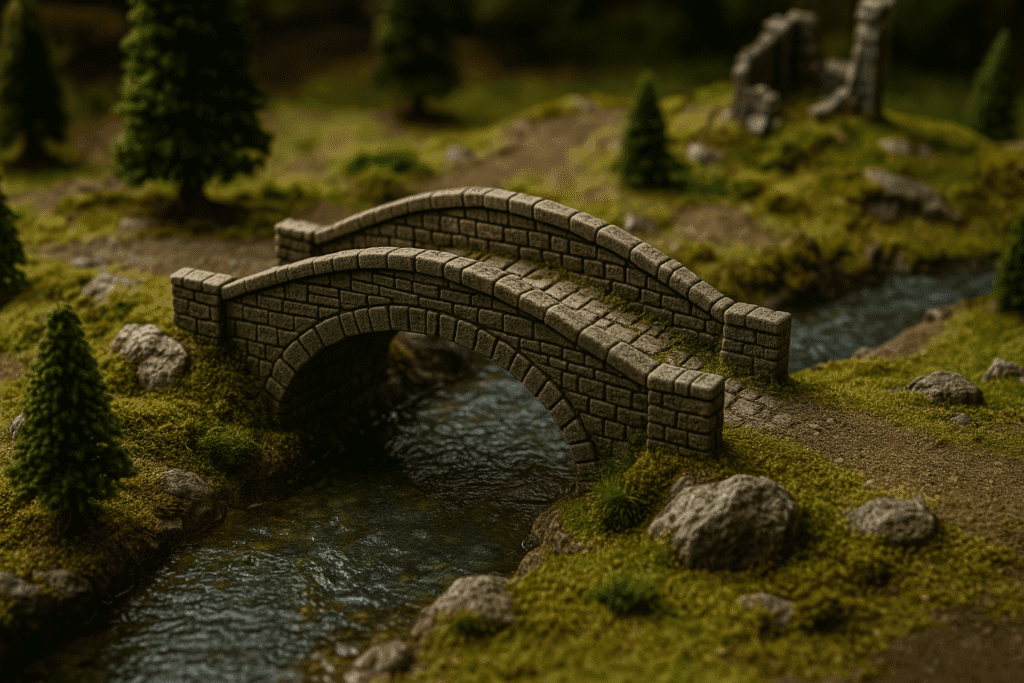
Full-scale scenery is where crafting worlds with battle maps truly transcends the tabletop. Think three-dimensional trees, ruined temples, you can move minis around, and walls that can crumble under an ogre’s fist. Terrain building is an art, and it’s an incredible way to deepen the immersion for your players. If looking for tutorials or inspiration, there are many builders out there.
At Grim Tavern, Dave once said,
“The fun isn’t just in playing the game. It’s in designing the world with your own two hands — crafting the crooked tavern sign, the jagged cliff, the bridge that’s ready to snap when someone gets too bold. Watching the players’ eyes light up when they realise it’s all real in front of them? That’s a feeling you can’t beat.”
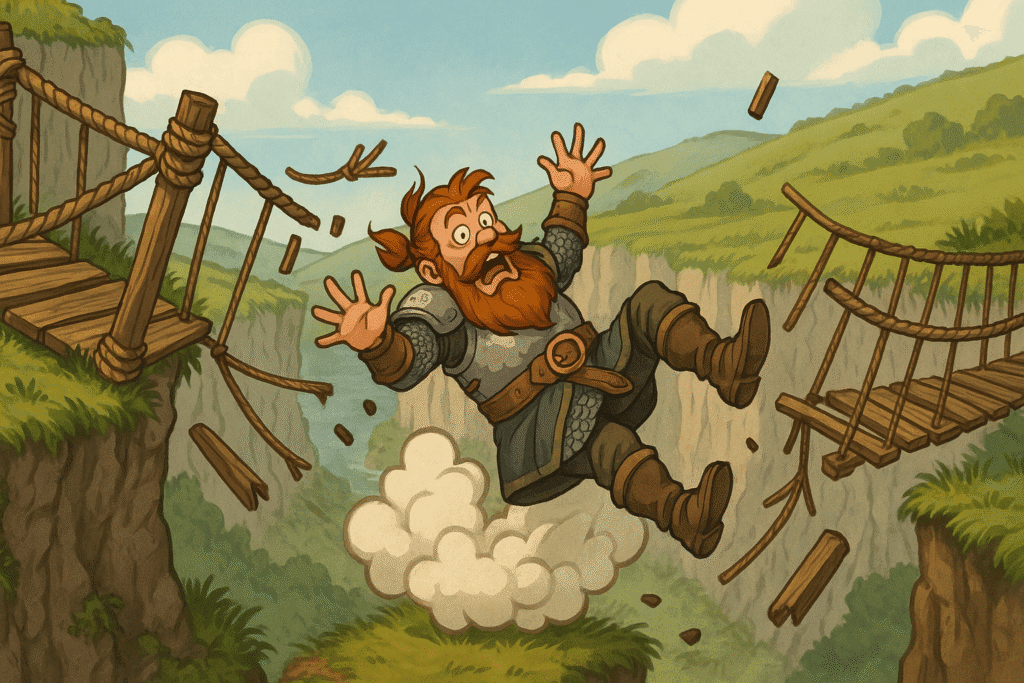
Building scenery does require more time, money, and space. Materials like foam, flocking, paints, and modular pieces can add up. But for many, the payoff is worth it. A lovingly built scene creates unforgettable moments. Players approach encounters differently when they can physically see and interact with the environment. That precarious rope bridge isn’t just a description anymore — it’s right there on the table, looking one bad roll away from disaster.
Choosing the Right Method for Crafting Worlds with Battle Maps
There’s no “best” way to set a scene; it all comes down to the style of your campaign and the tastes of your players. Theatre of the Mind is perfect for narrative-driven sessions and quick play. Flat maps balance storytelling and structure, making combat clean and easy to manage. Full-scale scenery turns sessions into unforgettable spectacles, making players feel like they’ve stepped right into the story.
Many DMs mix and match approaches depending on the session. A tense social encounter might stay in Theatre of the Mind, while a major boss fight might call for a full scenic spread. The key is to think about what will serve the moment best.
Final Thoughts on Crafting Worlds with Battle Maps
A battle map isn’t just a utility — it’s a storytelling tool. Whether it’s a sketch on a napkin or a towering three-dimensional fortress, it communicates to your players: This world matters. To further enhance your storytelling and DMing skills, explore our comprehensive guide on How to Be a Dungeon Master in 2025.
So the next time you’re prepping a session, ask yourself: How can you make the world a little more real for your players? Whether you pick up a dry-erase marker or a hot glue gun, you’re not just drawing maps. You’re crafting memories.
And as Dave would remind you with a grin,
“It’s a lot more fun to break a miniature bridge you built yourself than to just say it broke.”