

Welcome travellers! Today at the Grim Tavern, let’s sit down by the hearth and chat about one of the most important parts of bringing your character to life: D&D character hook.
A good character hook grabs attention right away. It gives players (and the Dungeon Master) something to latch onto — an idea, a flavour, a mystery that makes people want to know more about your character. Whether you’re creating your first adventure or your twentieth, a strong hook will set you up for memorable, dynamic gameplay.
Let’s break down several types of character hooks you can use for your next great persona.
New to the game? Our Beginner’s Guide to D&D 5e will help you understand how character hooks fit into the bigger picture of storytelling and mechanics.
Standard Character Hook
A standard character hook is clean, simple, and familiar. It’s the bread-and-butter of fantasy storytelling.
- Example: “Exiled noble seeking to restore their family’s honour.”
- Why it works: People immediately understand it. There’s built-in motivation, conflict, and plenty of plot juice to work with.
Standard character hooks work best when you want a quick connection with the group or the world. They might lean on familiar tropes, but that makes them incredibly accessible, especially for new players or campaigns with a traditional fantasy vibe.
Tips for a Strong Standard Hook:
- Choose a clear goal.
- Tie it to your character’s background or flaw.
- Make it easy for the DM to pull into the plot.
Unique Character Hook
A unique character hook gives your persona a distinct flavour that stands out from the pack.
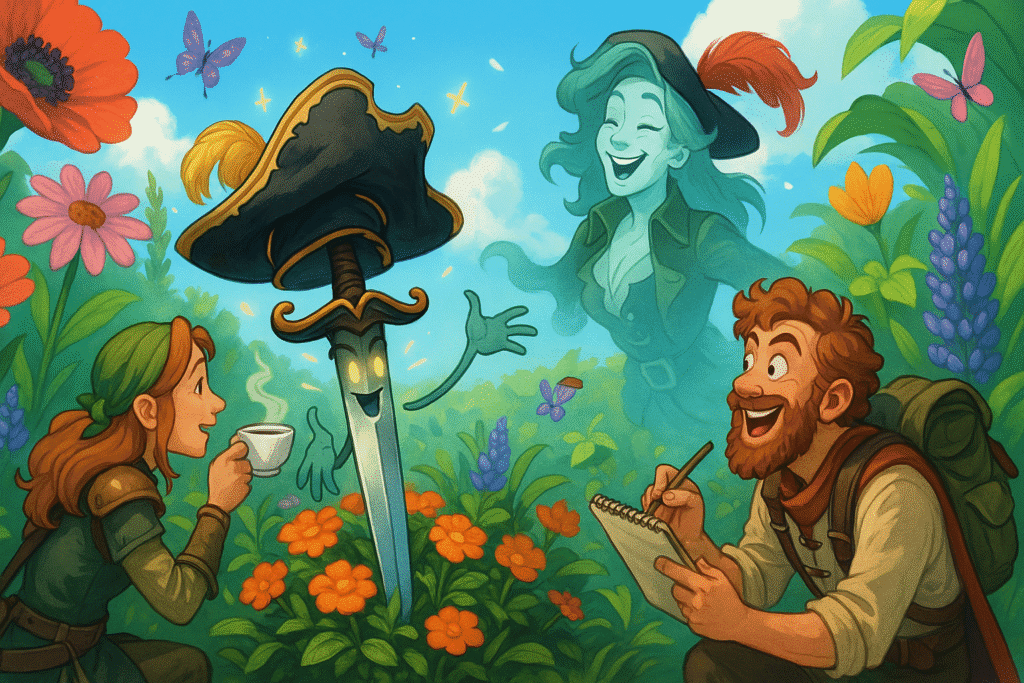
- Example: “A talking sword possessed by the spirit of a retired pirate queen, trying to become human again.”
- Why it works: It creates immediate questions: How does that even work? How does the party handle a sentient sword?
Unique character hooks are fantastic when you want to be memorable. However, it’s important that your unique concept still fits the tone of the campaign and doesn’t steal the spotlight from the group.
Tips for a Strong Unique Hook:
- Be clear about how you fit into the team.
- Leave openings for others to engage with your story.
- Communicate with the DM about your idea before the campaign starts.
Scattered Character Hook
A scattered character hook, plants seeds without telling the whole story — little hints that can grow during play.
- Example: “They refuse to talk about the strange glowing mark on their neck… but it seems to react when certain monsters get near.”
- Why it works: It teases mystery without revealing everything up front, giving both you and the DM space to build it out together.
Scattered hooks are perfect if you enjoy character development during the campaign rather than spelling everything out at session zero.
Tips for a Strong Scattered Hook:
- Introduce a mystery early.
- Let clues unfold naturally.
- Be flexible with how the story evolves.
Other Types of Character Hooks
Hidden Hook:
- Example: “A mild-mannered bard who is secretly the heir to a forbidden bloodline.”
- Why it works: It adds tension and payoff when secrets are revealed.
Situational Hook:
- Example: “Was arrested right before the campaign begins and needs the party’s help to escape.”
- Why it works: Instantly connects your character to the immediate action and other players.
Emotional Hook:
- Example: “A healer desperate to save someone back home from a deadly curse.”
- Why it works: Ties the character’s drive to emotional stakes, making them relatable.
How to Write a Good Character Hook
When crafting your character hook, keep these steps in mind:
- Identify the Core: What is the single biggest thing that defines your character’s motivation or mystery?
- Keep It Playable: Make sure your hook can lead to action, not just background flavour.
- Leave Openings: A good hook invites interaction. Make it easy for the DM to weave it into the world, and for other players to get involved.
- Match the Campaign: Talk with your DM about the tone and setting. A wild, chaotic hook might not fit in a grimdark horror story.
- Stay Flexible: Be ready to adapt your hook as the story evolves!
Remember: the best character hooks are the ones that get people asking questions and wanting to know more.
Mike “Silver-Tongue’s” Advice on Character Hooks
“Now listen here, friend. A good character hook? It’s like baiting a line. Ye don’t just throw a worm out there and hope — ye pick the right lure for the waters you’re fishin’. Set a bit o’ mystery, a splash o’ boldness, and leave enough undone that the tavern’s a-buzzin’ to hear the rest. Make ’em lean in, not walk past. That’s the trick.”
No matter which type of character hook you choose, the goal is the same: spark curiosity, fuel the story, and give your fellow adventurers a reason to care.
Until next time, keep your dice rolling and your tales tall.

