

I’ve seen enough blank-stare merchants and forgettable quest-givers to know one thing for sure—flat NPCs kill immersion. You don’t need to write a novel for every tavern-keeper, but if every non-player character talks like a menu and vanishes like a ghost, your world will feel hollow.
Here’s the good news: fleshing out NPCs is easier than most DMs think. All it takes is a clear purpose, a dash of personality, and one or two choices that make them stick in the party’s mind.
Let’s break it down.
Give Every NPC a Purpose
Before you give them a voice, give them a reason to exist. Ask:
- What is this NPC doing in the world?
- Why is the party interacting with them?
- What do they want from the party, or what can they offer?
That’s it. If they’re just a stepping stone to the next plot beat, at least know what that stone is made of.
Example: A tavern owner could just serve drinks… or be a retired adventurer watching the party closely for potential recruits.
Use a Simple Personality Hook
You don’t need full backstories—just pick one clear personality trait and lean into it:
- Grumpy and slow to trust
- Inappropriately cheerful
- Speaks in metaphors
- Nervous, always looking over their shoulder
- Cold and formal—but breaks at the mention of home
Bonus points if that trait conflicts with what they do.
Example: A grim mortician with a secret love of slapstick jokes.
Or a royal guard who stutters—except when lying.
Give Them a Goal
Even minor NPCs should have a motivation—something they want, even if it’s small:
- Sell out their last bottle of dwarven whiskey
- Impress their employer
- Find their lost cat
- Keep their real identity hidden
- Make sure no one finds the trapdoor under the rug
Letting them want something gives you fuel for interaction, stakes, and worldbuilding—even in quick scenes.
Don’t Script—Improvise With Anchors
Instead of writing full paragraphs of dialogue, give yourself:
- A manner of speech (“speaks slowly and uses big words”)
- A catchphrase or reaction (“By Moradin’s beard!”)
- A secret or opinion (“Thinks the mayor’s in league with the thieves’ guild”)
- A tone for how they view the party (“suspicious of adventurers”)
With those, you can improvise dialogue on the spot—and still sound consistent.
Reuse & Recur
An NPC the party likes (or hates) is gold. Bring them back. Let them grow. Make them part of the story.
- That merchant they saved in Session 2? Maybe he’s now the mayor.
- That standoffish stablehand? He’s secretly training to be a knight.
- That annoying drunk? He has a map they’ll desperately need.
The best NPCs are the ones who surprise you and the players over time.
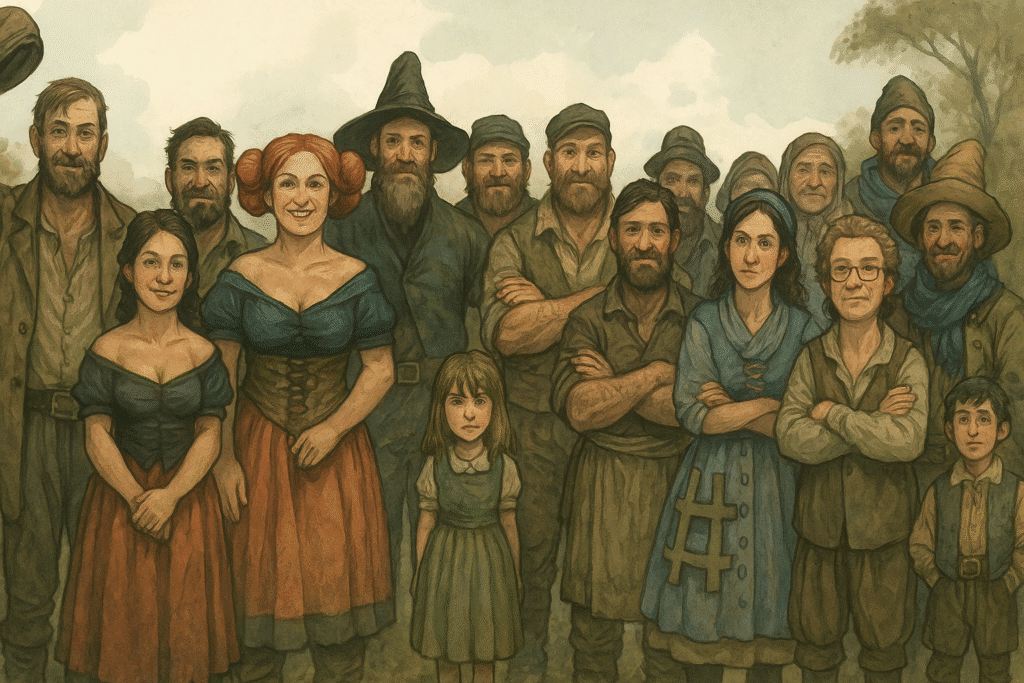
Staff Story: The Butcher of Aelthorn
I once ran an NPC butcher named Lishka who only spoke in short, poetic couplets and offered suspicious “discount cuts.” She started as comic relief.
But when the players dug deeper, they found out she was a former war surgeon hiding her trauma in meat metaphors.
By the end of the arc, they called her “The Poet of the Cleaver,” and two players toasted her in their backstories.
Final Thoughts from Mike
Fleshing out NPCs doesn’t mean writing a novel. It means making them feel real enough to live in your world.
Give them purpose. Give them quirks. Let them change the story—or let the story change them.
Because even the best adventures aren’t built on plot twists or boss fights.
They’re built on the people you meet along the way.
— Mike “Silver-Tongue”, former fence, current tavernkeeper, lifelong believer in characters who matter

